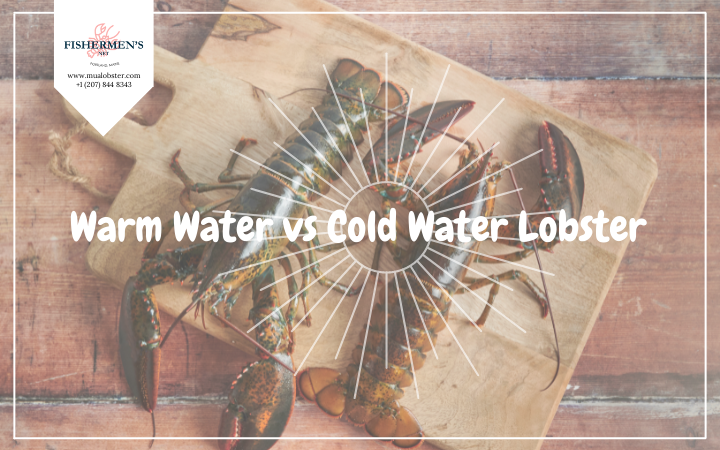
The allure of a perfectly cooked lobster tail is undeniable. Whether it's the centerpiece of a romantic dinner, a dazzling addition to a summer barbecue, or a treat for a special occasion, few dishes evoke such a sense of luxury. But as you navigate the options at your local seafood market or online purveyor, a crucial question often arises: Should you choose cold water or warm water lobster tails? This decision, often overlooked, significantly impacts the flavor, texture, and overall enjoyment of your culinary creation.
Far from a trivial detail, the origin of your lobster tails dictates much about their inherent qualities. From the crisp snap of the meat to its underlying sweetness, the environment in which a lobster thrives fundamentally shapes its character. Understanding these differences empowers you to select the best option for your palate and your recipe, transforming a simple meal into an unforgettable dining experience right in your own home.
The Core Distinction: Cold Water vs. Warm Water Lobster Tails
The global waters are home to various lobster species, broadly categorized by the temperature of their habitats. This geographical divide leads to distinct biological traits that manifest directly in the culinary qualities of their tails. Knowing these differences is the first step toward picking the perfect lobster tails.
Cold Water Lobster: The Connoisseur's Choice
Cold water lobsters, predominantly found in the icy depths of the North Atlantic (think Maine, Canada, and parts of Northern Europe) and the cooler waters off Australia and South Africa, are often considered the gold standard. Their harsh, frigid environment dictates a slower growth rate, which in turn leads to denser, firmer muscle tissue. This results in several highly desirable characteristics:
- Texture: Incredibly firm, sweet, and succulent. The meat boasts a satisfying chew and a clean "snap" when bitten, holding its shape beautifully even after cooking.
- Flavor: Known for a pronounced sweetness and a pure, briny flavor that is distinctly "lobstery." This rich taste is often considered more intense and less prone to being masked by strong seasonings.
- Appearance: Typically have a reddish-brown shell without spots. Once cooked, the shell turns a vibrant red.
- Price: Due to their premium qualities, slower growth, and often more rigorous harvesting regulations, cold water lobster tails usually come with a higher price tag.
If you're aiming for that classic, luxurious lobster experience—where the lobster itself is the star, perhaps simply grilled and basted with lemon garlic butter—cold water tails are your ideal choice. Their robust texture makes them incredibly forgiving during cooking and perfect for dishes where the lobster's natural integrity is paramount.
Warm Water Lobster: The Budget-Friendly Option
Warm water lobsters hail from the tropical and subtropical regions, including the Caribbean, Florida, Brazil, and parts of the Mediterranean. These warmer environments allow for faster growth, which impacts the meat's density and flavor profile.
- Texture: Generally softer and less firm than their cold water counterparts. While still tender, they might not offer the same "snap" or robust chew, sometimes presenting a slightly stringier or mushier texture if overcooked.
- Flavor: The flavor can be milder, and sometimes described as slightly less sweet or, occasionally, a bit "fishier" compared to cold water varieties. This isn't necessarily a negative, but it's a distinct difference.
- Appearance: Shells can vary more in color, sometimes displaying spots or a lighter hue before cooking.
- Price: Typically more affordable, making them an excellent choice for budget-conscious cooks or for recipes where lobster is one of many ingredients.
Warm water lobster tails are a fantastic option when you're looking to add a touch of elegance without breaking the bank, or when the lobster is part of a more complex dish like a bisque, pasta, or a casserole where its delicate texture might blend well with other components.
Why Your Choice Matters for Perfect Lobster Tails
The distinction between cold and warm water lobster tails isn't just about origin; it's about how these fundamental differences translate into your cooking and dining experience. Making an informed choice can be the difference between a good meal and a truly unforgettable one.
Texture and Bite
The firm, almost dense flesh of cold water lobster tails provides a textural experience that many consider ideal. It holds up beautifully whether you're grilling, broiling, or poaching, offering a satisfying resistance and a clean bite. This resilience makes cold water tails particularly forgiving for novice cooks, as they are less likely to become mushy or rubbery with slight variations in cooking time.
Warm water lobster, with its softer texture, demands a more precise approach. It can still be incredibly tender and delicious, but it's more susceptible to overcooking, which can quickly turn it stringy or rubbery. For dishes like restaurant-quality lobster tails at home, where you want that distinct mouthfeel, understanding this textural variance is key.
Flavor Profile
The superior sweetness and clean, oceanic flavor of cold water lobster make it a prized ingredient for simple preparations. When basting easy grilled lobster tails with just lemon garlic butter, the lobster's natural taste shines through, unburdened by heavy sauces or spices. This allows the delicate smokiness from the grill to truly perfume the meat.
Warm water lobster's milder or sometimes slightly fishier notes mean it can be more amenable to stronger flavor pairings. If you're incorporating lobster into a spicy curry, a rich bisque, or a vibrant pasta dish, its flavor might blend more seamlessly without overpowering the other ingredients, making it a versatile choice for culinary experimentation.
Cooking Considerations
Given the textural differences, your cooking method might influence which type of lobster tail you choose. For instance, grilling, which applies direct, high heat, benefits from the robust nature of cold water tails. The hard shell acts as a natural shield, protecting the delicate meat and allowing it to become wonderfully juicy and succulent without sticking to the grates. This is why learning how to grill lobster tails is surprisingly easy—the shell does much of the work for you!
When preparing warm water tails, especially with methods like poaching or gentle steaming, careful timing is essential to maintain their tenderness. Regardless of the type, always aim for opaque meat and an internal temperature of 135-140 degrees F for perfect doneness. A good trick for any lobster tail is to crack open the shell and loosen the meat, allowing you to baste it generously with melted butter as it cooks, keeping it moist and flavorful.
Sourcing and Selecting the Best Lobster Tails
Once you understand the difference, the next step is finding high-quality lobster tails. Whether you opt for cold or warm water varieties, sourcing plays a vital role.
- Look for Reputable Suppliers: Purchase from a trusted seafood market, a dedicated fishmonger, or a reputable online retailer. They will often clearly label the origin (e.g., "Maine Lobster," "Caribbean Lobster") which helps in making your cold vs. warm water decision.
- Fresh vs. Frozen: Unless you live in a coastal New England state during peak season (July and August), chances are you'll be buying frozen lobster tails. This is perfectly acceptable, even preferred, as they are often flash-frozen at sea, locking in freshness. Always thaw them overnight in the refrigerator for the best results.
- Inspect the Appearance: Whether fresh or frozen, look for tails that appear plump and firm. Avoid any that seem discolored, shriveled, or have an off smell. The shell should be intact, serving as that crucial protective layer during cooking.
- Consider Your Recipe: Before you buy, think about what you want to achieve. If the lobster is the star of a simple preparation, lean towards cold water. If it’s part of a flavorful medley, warm water tails can be a smart, economical choice.
Mastering the Grill (or Kitchen) for Any Lobster Tail
The beauty of cooking lobster tails at home is how surprisingly straightforward it can be, regardless of whether you choose cold or warm water. Many home cooks are intimidated by preparing delicate proteins, but with lobster, the natural design of the tail works in your favor.
The hard shell acts as a brilliant insulator, protecting the tender meat from direct heat, preventing sticking, and ensuring it stays juicy and succulent. This is particularly true for grilling, where the shell allows you to achieve that delicate smokiness without fear of charring the meat. As one reference aptly puts it, grilling lobster tails is "SO STINKING EASY!"
To prepare your lobster tails for cooking, carefully split the top of the shell down the middle, lengthwise, leaving the bottom shell intact. Gently loosen the meat from the shell and lift it up, resting it on top of the shell to create a "piggyback" presentation. This exposes the sweet meat, allowing you to baste it liberally with a flavorful lemon garlic butter as it cooks. This infusion of butter is inspired by Connecticut-style lobster rolls and guarantees a moist, delectable result every time. For comprehensive grilling instructions, check out our guide on Easy Grilled Lobster Tails: Master This Impressive 25-Minute Meal.
With just a few ingredients and minimal effort, you can achieve restaurant-quality lobster tails at home in under 25 minutes. This makes lobster an impressive yet accessible centerpiece for any summer gathering or a delightful treat for yourself. You'll feel like a culinary rockstar, and no one needs to know just how easy it truly was!
Conclusion
The choice between cold water and warm water lobster tails boils down to a balance of preference, purpose, and budget. Cold water lobsters offer a premium experience with their firm texture and pronounced sweetness, ideal for preparations where the lobster is the star. Warm water varieties provide a more economical option with a softer texture and milder flavor, perfectly suited for incorporating into more complex dishes. Ultimately, both can deliver a delicious and impressive meal. By understanding their unique characteristics and employing proper cooking techniques—like basting with luscious lemon garlic butter and cooking to the perfect internal temperature—you can confidently pick the best lobster tails for your next culinary adventure and create perfect, restaurant-quality results in your own kitchen.
