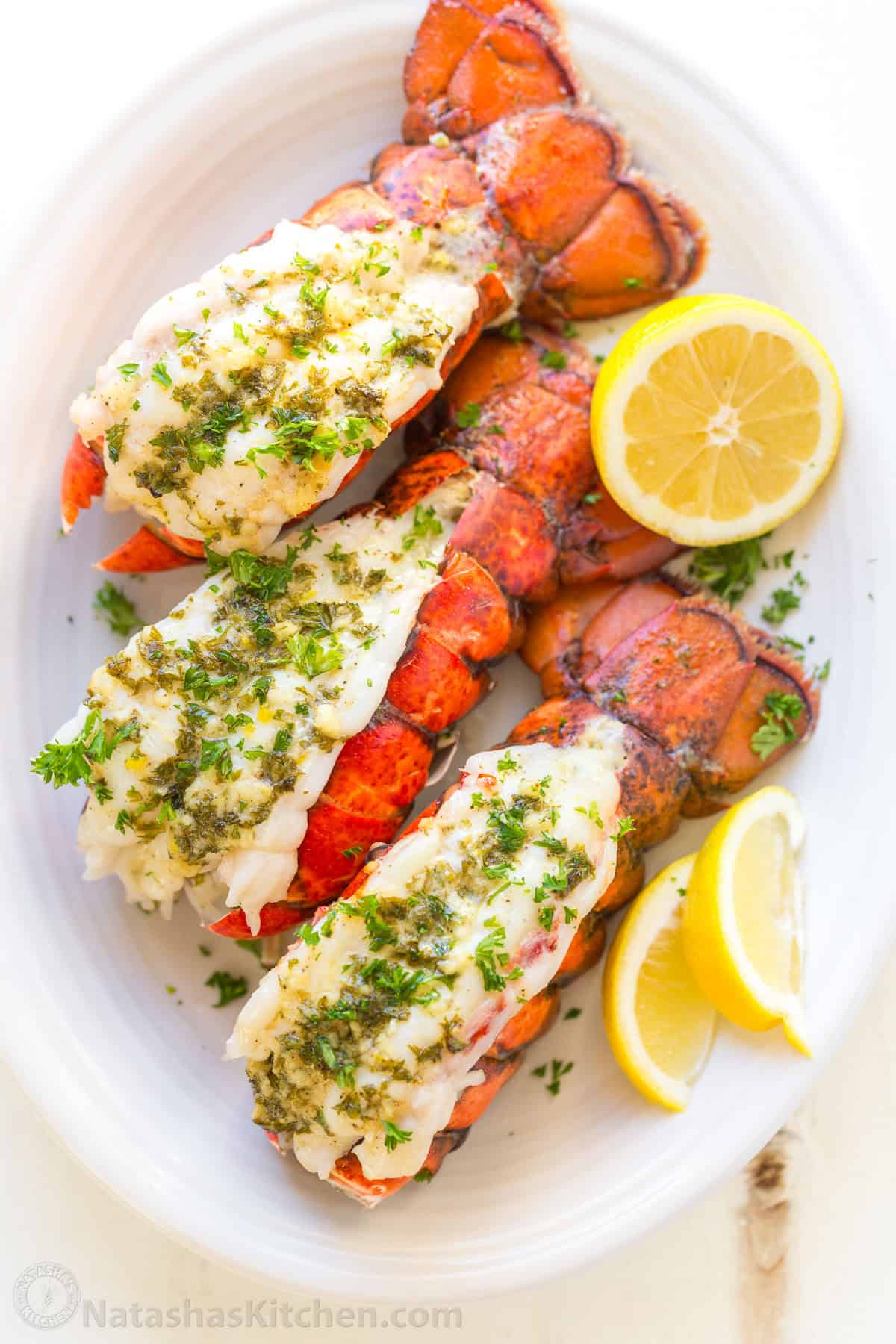
Imagine the ultimate culinary indulgence – succulent, sweet lobster tails, perfectly cooked and dripping with rich butter. Now imagine enjoying this luxury not in a high-end restaurant, but right in the comfort of your own home, for a fraction of the price. The good news? Crafting restaurant-quality lobster tails at home is far from the intimidating challenge many perceive it to be. In fact, it’s surprisingly simple, affordable, and incredibly rewarding.
For years, the thought of preparing delicate seafood like lobster conjured images of overcooked, rubbery meat or sticking to the grill grates – a culinary nightmare! But this impression couldn't be further from the truth, especially when it comes to preparing delicious lobster tails. The secret lies in understanding a few key techniques, starting with the natural protection of the lobster’s shell, which acts as a built-in shield against high heat, ensuring the delicate meat remains juicy and tender.
This guide will demystify the process, transforming you into a confident home chef ready to tackle this impressive dish. From selecting the best lobster tails to mastering the art of grilling, broiling, or baking, you'll discover that a gourmet meal is just minutes away. Get ready to impress your family and friends with a dish that looks incredibly fancy but is remarkably easy to execute.
Demystifying the Myth: Why Lobster Tails Are Easier Than You Think
The aura of sophistication surrounding lobster often makes home cooks hesitant to try preparing it themselves. Many believe it requires expert skill, delicate handling, and a precise cooking method that only a professional chef can master. However, these notions are largely unfounded. Cooking exquisite lobster tails at home is one of the most straightforward and fastest ways to create a truly memorable meal.
One of the primary reasons for this surprising ease is the lobster's hard shell. Far from being a hindrance, the shell is your best friend in the kitchen. It acts as a natural insulator, protecting the tender meat from direct, harsh heat. This prevents the common pitfalls of overcooking and sticking that often plague other delicate proteins. Whether you’re grilling, broiling, or baking, the shell ensures that the precious meat inside cooks evenly and remains incredibly juicy and succulent.
Beyond the protective shell, the inherent sweetness and delicate flavor of fresh lobster require minimal embellishment. Unlike other dishes that demand a complex array of seasonings, high-quality lobster tails truly shine with just a simple basting of lemon garlic butter. This straightforward approach allows the natural taste of the seafood to be the star of your plate, proving that sometimes, less truly is more. With most methods, you’ll be serving up perfection in as little as 15-25 minutes, making it an ideal choice for a quick yet impressive weeknight dinner or an elegant summer gathering.
Choosing the Best Lobster Tails for Home Cooking
The foundation of any great lobster dish begins with selecting the right product. While the dream might be to live by the coast and purchase fresh, live lobster, the reality for most home cooks involves buying frozen lobster tails, which are readily available and equally delicious when handled correctly.
Cold Water vs. Warm Water Lobster
This is perhaps the most crucial distinction when buying lobster tails. Understanding the difference can significantly impact the flavor and texture of your final dish:
- Cold Water Lobster: Sourced from colder regions like Maine, Canada, and Australia, these tails are generally considered superior. The meat is sweeter, firmer, and has a more desirable texture that holds its shape beautifully when cooked. Look for tails that typically have a reddish-brown shell without spots. While often higher priced, the quality justifies the investment for a truly restaurant-quality experience.
- Warm Water Lobster: These come from warmer climates such as the Caribbean, Florida, and the Mediterranean. While often a more budget-friendly option, the meat tends to be softer, sometimes mushy, and can have a slightly fishier taste. They might also exhibit spots or stripes on their shells. If you're new to cooking lobster and looking to economize, they can be an entry point, but be prepared for a difference in texture and flavor compared to their cold-water counterparts.
For a deeper dive into making the perfect choice, explore our detailed guide on Cold Water vs. Warm Water Lobster: Pick the Best for Perfect Tails.
Fresh vs. Frozen & Thawing Tips
Unless you live directly on the coast, most culinary adventures with lobster tails will involve frozen varieties. This is perfectly fine, as modern freezing techniques lock in freshness and flavor. When purchasing frozen tails, inspect them for any signs of freezer burn or damage to the packaging. For the best results, thaw your lobster tails correctly:
- Overnight in the Refrigerator: This is the ideal method. Place the frozen tails in a bowl or on a plate to catch any condensation, and let them thaw slowly in the refrigerator for 12-24 hours, depending on size.
- Cold Water Bath: For quicker thawing, place the individually sealed frozen tails in a bowl of cold water. Change the water every 30 minutes until thawed. Do not use hot water, as this can start to cook the delicate meat.
The Essential Prep: Butterflying for Perfection
Once your lobster tails are thawed, the next critical step is butterflying them. This technique is simple yet revolutionary, offering multiple benefits:
- Even Cooking: It exposes more of the meat, allowing it to cook more uniformly and preventing the edges from drying out while the center remains undercooked.
- Optimal Basting: With the meat exposed, it becomes incredibly easy to baste your lobster with delicious butter, infusing every bite with flavor.
- Stunning Presentation: A butterflied lobster tail is visually striking, giving that "restaurant-quality" look without any extra fuss.
Step-by-Step Butterflying Guide:
- Gather Your Tools: You'll need sturdy kitchen shears (or sharp scissors) and a sharp knife.
- Position the Lobster: Place the lobster tail on a cutting board, shell-side up. If there are small legs on the underside, you might trim those off for aesthetics.
- Cut the Shell: Using your kitchen shears, carefully cut down the center of the top (hard) shell, from the wide end down to the beginning of the tail fin. Be careful not to cut through the meat itself, just the shell.
- Loosen the Meat: Gently slide your fingers underneath the shell from both sides of the cut to loosen the meat from the shell's interior. You want to separate it cleanly from the bottom shell, but keep it attached at the base near the tail fin.
- Lift and Rest: Carefully pull the loosened meat upwards, through the cut in the shell. Lay the meat on top of the shell, creating an impressive "piggyback" presentation. The bottom shell remains intact, acting as a natural serving vessel and protecting the meat from direct contact with grill grates or baking sheets.
- Prepare for Cooking: At this point, you can lightly brush the exposed meat with a touch of olive oil, salt, and pepper, or go straight for your chosen basting butter.
Mastering the Cook: Grilling (and Other Methods) to Succulence
With your lobster tails perfectly butterflied, it's time to cook them to succulent perfection. While grilling offers a unique smoky flavor, other methods are equally effective in achieving that desired tenderness.
Grilling: The Smoky Sensation
Grilling Easy Grilled Lobster Tails: Master This Impressive 25-Minute Meal is a fantastic way to infuse your lobster with a delicate smoky char while keeping it incredibly juicy. The hard shell is a lifesaver here, preventing the delicate meat from sticking and burning.
- Preheat Your Grill: Set your grill to medium-high heat. Consistency is key for even cooking.
- Prepare Your Basting Butter: A classic lemon garlic butter is unbeatable. Simply melt unsalted butter with minced garlic, a squeeze of fresh lemon juice, and a pinch of salt and black pepper.
- First Side Down: Place the butterflied lobster tails meat-side down on the hot grates for 2-3 minutes. This creates a beautiful sear and locks in juices.
- Flip and Baste: Flip the tails so they are shell-side down. Begin basting the exposed meat generously with your lemon garlic butter. The shell will protect the underside from overcooking while the top gets a delicious glaze.
- Cook to Perfection: Continue grilling, basting every couple of minutes, for another 5-8 minutes, depending on the size of your tails. The meat should turn opaque white, and curl slightly.
- Check for Doneness: The most accurate way to ensure perfection is with an instant-read thermometer. Insert it into the thickest part of the meat (avoiding the shell); it should register between 135-140°F (57-60°C). Overcooking is the enemy of tender lobster!
- Rest: Remove from the grill and let them rest for a minute or two before serving.
Other Excellent Cooking Methods:
If grilling isn't an option, or you prefer a different technique, these methods also yield fantastic results:
- Broiling: Similar to grilling in its direct, high-heat approach. Place butterflied lobster tails on a baking sheet, brush with butter, and broil 6 inches from the heat for 5-8 minutes, basting often, until opaque and cooked through.
- Baking: A gentler method, ideal for larger tails or if you prefer hands-off cooking. Bake butterflied tails at 400°F (200°C) for 10-15 minutes, basting periodically, until done.
- Steaming: A classic method that highlights the lobster's natural flavor. Place tails in a steamer basket over boiling water, cover, and steam for 8-12 minutes. Serve with melted butter.
Elevating Your Dish: Flavors and Presentation
While the inherent sweetness of perfectly cooked lobster tails is a delight in itself, a few enhancements can elevate your dish from delicious to truly unforgettable. The key is to complement, not overpower, the star ingredient.
The Signature Basting Butter
The lemon garlic butter is more than just a topping; it's an integral part of the cooking process, infusing the meat with irresistible aroma and flavor. For a basic recipe, combine:
- 1/2 cup unsalted butter, melted
- 2-3 cloves garlic, minced
- Juice of 1/2 a lemon (or more to taste)
- Pinch of salt and freshly ground black pepper
Flavor Variations: Don't be afraid to experiment! Consider these delicious additions to your butter:
- Herbed Butter: Stir in finely chopped fresh herbs like parsley, dill, chives, or tarragon for an aromatic twist.
- Spicy Butter: Add a pinch of red pepper flakes or a dash of hot sauce for a subtle kick.
- Smoked Paprika Butter: A touch of smoked paprika adds depth and a beautiful color.
Serving Suggestions and Presentation
The visual appeal of your meal is just as important as the taste. Here’s how to present your restaurant-quality lobster tails with flair:
- Garnish Simply: A sprinkle of fresh chives or finely chopped parsley over the cooked tails adds a pop of color and freshness. Grilled lemon halves (place them face-down on the grill for a few minutes while the lobster cooks) not only look appealing but also provide a warm, caramelized lemon juice for squeezing over the lobster.
- Dipping Butter: Always serve extra melted butter on the side for dipping. A small ramekin of warm lemon garlic butter or just plain clarified butter is pure heaven.
- Complementary Sides: Pair your lobster with sides that enhance its delicate flavor without competing. Classic choices include:
- Steamed asparagus or green beans
- Corn on the cob (grilled or boiled)
- A light rice pilaf or wild rice
- A fresh, crisp green salad with a vinaigrette dressing
- Crusty bread for soaking up every drop of butter
- Plating Perfection: Arrange your beautifully butterflied lobster tails on an elegant platter, perhaps nestled among some fresh herbs or lemon wedges. The effort is minimal, but the impact is profound.
Preparing lobster tails at home is an experience that truly transforms an ordinary meal into an extraordinary event. It's an act of culinary confidence that, once mastered, you'll want to repeat again and again. The joy of savoring those sweet, tender bites, knowing you created such a luxurious dish with ease and affordability, is incredibly satisfying.
So, shed any lingering intimidation and embrace the simplicity of cooking restaurant-quality lobster tails in your own kitchen. With the right selection, a simple butterflying technique, and a quick cooking method, you're just minutes away from a show-stopping meal that will impress everyone at your table. Go ahead, make this summer, or any special occasion, a truly delicious one!
